Transform your wealth through property with Australia’s #1
Buyer’s Agency
Transform your wealth
through property with
Australia’s #1
Buyer’s Agency
Transform your wealth through property with Australia’s #1
Buyer’s Agency
With 2,000+ properties purchased and nearly $1B in client equity created, we’ve been awarded three times as Australia’s #1. InvestorKit is your strategy-first property acquisition partner, helping time-poor professionals invest in high-performing residential and commercial property with data, not guesswork.
With 2,000+ properties purchased and nearly $1B in client equity created, we’ve been awarded three times as Australia’s #1. InvestorKit is your strategy-first property acquisition partner, helping time-poor professionals invest in high-performing residential and commercial property with data, not guesswork.

Book your free discovery call
We’ll reveal how you can save time, stress, and money through strategic property investing.



The Only Buyer’s Agency Awarded as Australia ’s #1 for 3 Years
The Only Buyer’s Agency Awarded as
Australia ’s #1 for 3 Years
The Only Buyer’s Agency Awarded as
Australia ’s #1 for 3 Years
Featured in over
1000+ media articles




Featured in over
1000+ media articles
Featured in over
1000+ media articles

The advantage behind Australia’s smartest investors
The advantage behind Australia’s smartest investors
InvestorKit helps busy professionals build wealth through strategic, data-led property investing no guesswork
Backed by nearly $1M in annual research and one of Australia’s largest property acquisition teams, we uncover high-performing residential and commercial opportunities across 13+ national markets before they hit the mainstream
With nearly 70% of deals sourced off-market, we help our customers stay ahead of the curve
Take the guesswork out of property
investing with InvestorKit
Avoid costly mistakes. Save time, and money.
Save 200+ hours on property research. Our research isn’t just thorough; it’s trusted and has been spotlighted in major media outlets. We help you interpret data and categorise markets, ensuring you select the right property, in the right market, at the right time.
Our 20-point due diligence is more than a checklist; it’s your financial safety net, backtested against historical performance to help you dodge investment pitfalls.
Nearly 70% of our transactions are off-or-pre-market. Which means you get early access to high-performing assets most investors never see.
Our AIM-certified negotiation team has your best interest in mind, helping you avoid overpaying or missing out on prime opportunities.
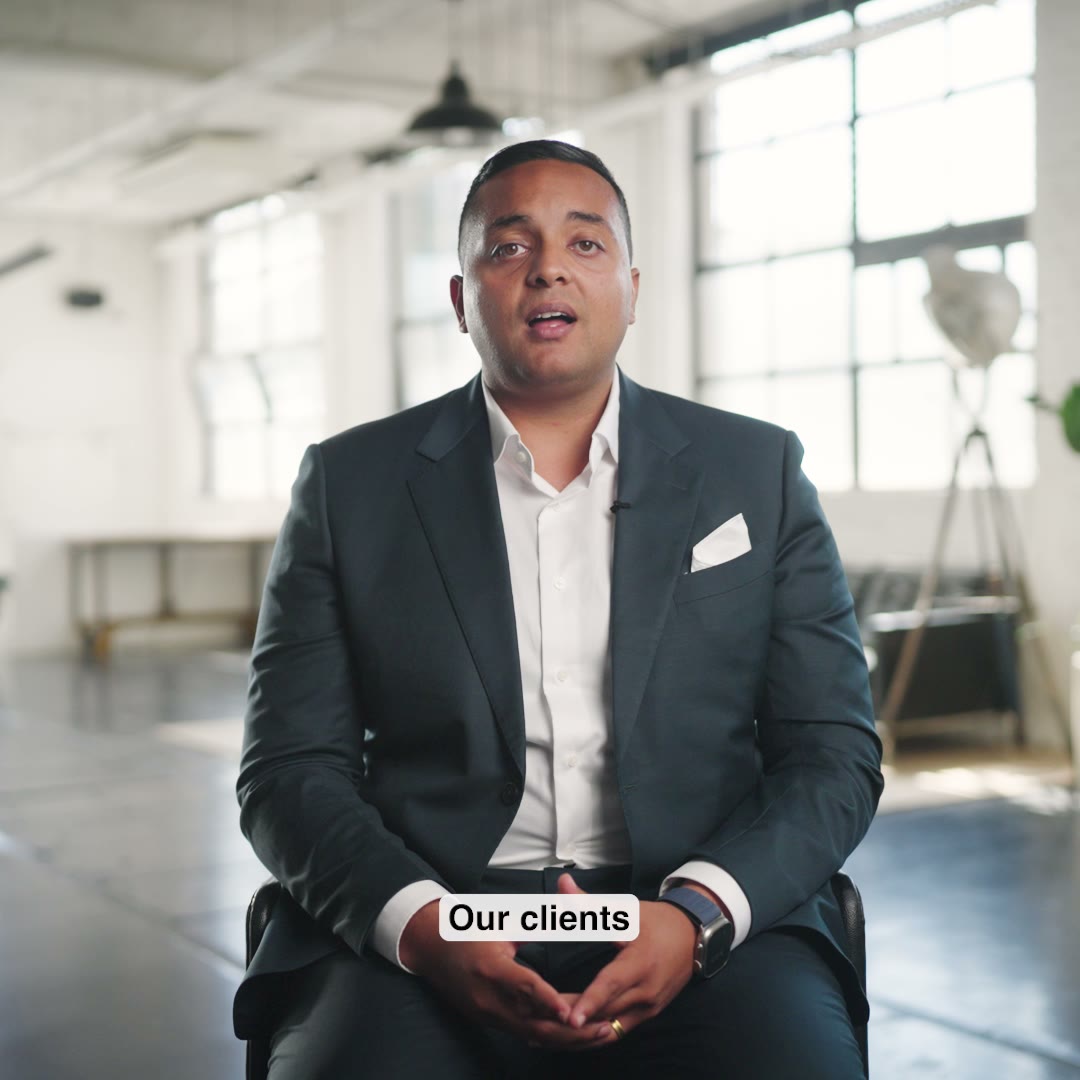
Invest confidently with Australia’s #1
We’re not just any other buyer’s agency; we’re the only Buyer’s Agency to win Australia’s #1 three times in four years (2023, 2024, 2026). This is not just a title; it’s your assurance of quality service.
We operate Australia’s largest acquisitions team among buyer’s agents. We review stock over 3x daily and make 500+ calls a week across our network of 1,000+ agencies to surface the best residential and commercial deals, whether on-market, off-market, or pre-market.
Overcome analysis paralysis. We invest over $500K per year into AI, property data and research, allowing us to deep-dive into the market and find hotspots that are geared for long-term growth.
Our clients’ portfolios have outperformed the national market by nearly 3.5x, where most of our clients obtain 3 properties within 3 years, building real, compounding wealth.
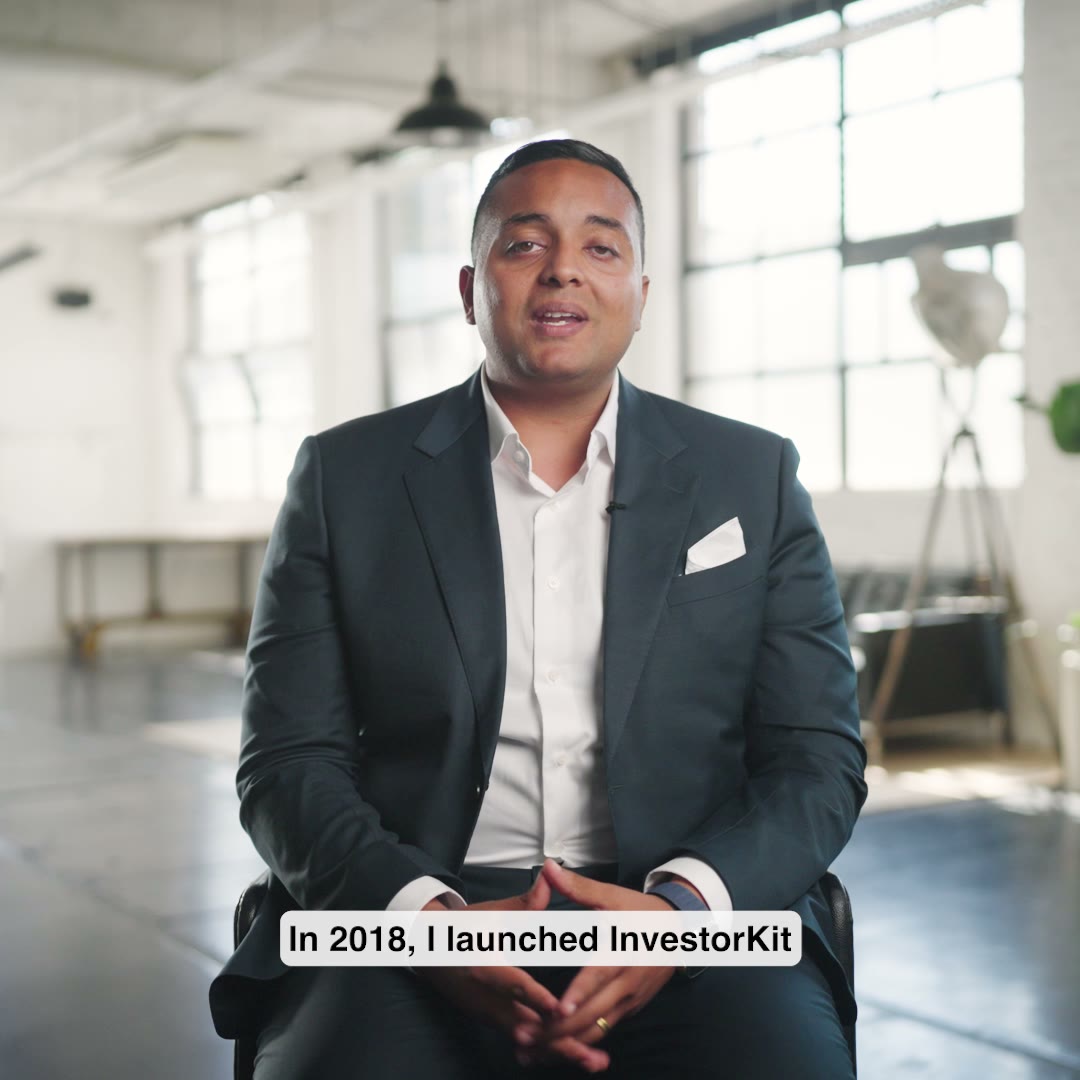
We’re here to be your long term portfolio growth partner
With our Portfolio Mapping Session and advisory support, you’ll have a clear plan built around the fewest properties you need to hit your retirement target, with the right strategies to meet your goals, no matter the market.
Experience “white glove” service with a 5-to-1 specialist team ratio in research, strategy, acquisitions, negotiation, and client management. You’re not just another transaction; you’re a valued partner.
Life’s busy; we get it. That’s why you’ll have a central contact, backed by a specialised team of five, keeping you updated without overwhelming you.
The journey doesn’t end at purchase. Our post-settlement service is your roadmap to long-term investment success, helping you manage risks and achieve long-term goals.

Avoid costly mistakes. Save time, and money.
Save 200+ hours on property research. Our research isn’t just thorough; it’s trusted and has been spotlighted in major media outlets. We help you interpret data and categorise markets, ensuring you select the right property, in the right market, at the right time.
Our 20-point due diligence is more than a checklist; it’s your financial safety net, backtested against historical performance to help you dodge investment pitfalls.
Nearly 70% of our transactions are off-or-pre-market. Which means you get early access to high-performing assets most investors never see.
Our AIM-certified negotiation team has your best interest in mind, helping you avoid overpaying or missing out on prime opportunities.
Invest confidently with Australia’s #1
We’re not just any other buyer’s agency; we’re the only Buyer’s Agency to win Australia’s #1 three times in four years (2023, 2024, 2026). This is not just a title; it’s your assurance of quality service.
We operate Australia’s largest acquisitions team among buyer’s agents. We review stock over 3x daily and make 500+ calls a week across our network of 1,000+ agencies to surface the best residential and commercial deals, whether on-market, off-market, or pre-market.
Overcome analysis paralysis. We invest over $500K per year into AI, property data and research, allowing us to deep-dive into the market and find hotspots that are geared for long-term growth.
Our clients’ portfolios have outperformed the national market by nearly 3.5x, where most of our clients obtain 3 properties within 3 years, building real, compounding wealth.
We’re here to be your long term portfolio growth partner
With our Portfolio Mapping Session and advisory support, you’ll have a clear plan built around the fewest properties you need to hit your retirement target, with the right strategies to meet your goals, no matter the market.
Experience “white glove” service with a 5-to-1 specialist team ratio in research, strategy, acquisitions, negotiation, and client management. You’re not just another transaction; you’re a valued partner.
Life’s busy; we get it. That’s why you’ll have a central contact, backed by a specialised team of five, keeping you updated without overwhelming you.
The journey doesn’t end at purchase. Our post-settlement service is your roadmap to long-term investment success, helping you manage risks and achieve long-term goals.
Avoid costly mistakes. Save time, and money.
Save 200+ hours on property research. Our research isn’t just thorough; it’s trusted and has been spotlighted in major media outlets. We help you interpret data and categorise markets, ensuring you select the right property, in the right market, at the right time.
Our 20-point due diligence is more than a checklist; it’s your financial safety net, backtested against historical performance to help you dodge investment pitfalls.
Nearly 70% of our transactions are off-or-pre-market. Which means you get early access to high-performing assets most investors never see.
Our AIM-certified negotiation team has your best interest in mind, helping you avoid overpaying or missing out on prime opportunities.
Invest confidently with Australia’s #1
We’re not just any other buyer’s agency; we’re the only Buyer’s Agency to win Australia’s #1 three times in four years (2023, 2024, 2026). This is not just a title; it’s your assurance of quality service.
We operate Australia’s largest acquisitions team among buyer’s agents. We review stock over 3x daily and make 500+ calls a week across our network of 1,000+ agencies to surface the best residential and commercial deals, whether on-market, off-market, or pre-market.
Overcome analysis paralysis. We invest over $500K per year into AI, property data and research, allowing us to deep-dive into the market and find hotspots that are geared for long-term growth.
Our clients’ portfolios have outperformed the national market by nearly 3.5x, where most of our clients obtain 3 properties within 3 years, building real, compounding wealth.
We’re here to be your long term portfolio growth partner
With our Portfolio Mapping Session and advisory support, you’ll have a clear plan built around the fewest properties you need to hit your retirement target, with the right strategies to meet your goals, no matter the market.
Experience “white glove” service with a 5-to-1 specialist team ratio in research, strategy, acquisitions, negotiation, and client management. You’re not just another transaction; you’re a valued partner.
Life’s busy; we get it. That’s why you’ll have a central contact, backed by a specialised team of five, keeping you updated without overwhelming you.
The journey doesn’t end at purchase. Our post-settlement service is your roadmap to long-term investment success, helping you manage risks and achieve long-term goals.
Don’t believe us, yet? Check out some of our success stories
As a property investor navigating today’s dynamic real estate landscape, you deserve a partner who delivers. Discover how we’ve helped clients like you reach their financial goals.



Don’t believe us, yet? Check out some of our success stories
As a property investor navigating today’s dynamic real estate landscape, you deserve a partner who delivers. Discover how we’ve helped clients like you reach their financial goals.

5 Easy Steps to Get Started
STEP 1
Book a Free Call

Connect with our experts by scheduling a complimentary 15-minute discovery call, where we’ll explore your needs and determine if our services are a good match for you.
STEP 2
Get a Comprehensive Assessment

Following your initial consultation, our property consultants deep dive into your current situation, your financial and lifestyle goals, and core areas where you require professional support.
STEP 3
Leverage Tailored Strategy and Research

We use our $800K+ research engine, 30+ data sources, and proprietary models to find ideal investing locations and properties suited to your brief, across 13+ national markets.
STEP 4
Seamless Negotiation and Acquisition

Our AIM-certified acquisitions team will work hand-in-hand with you to find the right property. Every shortlisted asset passes our 20-point due diligence before our negotiation team secures terms that protect your downside.
STEP 5
Dedicated Post Settlement Support

Once we’ve found the property for you, our team will help manage settlement, coordinate with your professionals, and stay with you for ongoing portfolio reviews. The journey doesn’t end at purchase.
5 Easy Steps to Get Started
STEP 1
Book a Free Call
Connect with our experts by scheduling a complimentary 15-minute discovery call, where we’ll explore your needs and determine if our services are a good match for you.
STEP 2
Get a Comprehensive Assessment
Following your initial consultation, our property consultants deep dive into your current situation, your financial and lifestyle goals, and core areas where you require professional support.
STEP 3
Leverage Tailored Strategy and Research
We use our $800K+ research engine, 30+ data sources, and proprietary models to find ideal investing locations and properties suited to your brief, across 13+ national markets.
STEP 4
Seamless Negotiation and Acquisition
Our AIM-certified acquisitions team will work hand-in-hand with you to find the right property. Every shortlisted asset passes our 20-point due diligence before our negotiation team secures terms that protect your downside.
STEP 5
Dedicated Post Settlement Support
Once we’ve found the property for you, our team will help manage settlement, coordinate with your professionals, and stay with you for ongoing portfolio reviews. The journey doesn’t end at purchase.
5 Easy Steps to Get Started
STEP 1
Book a Free Call
Connect with our experts by scheduling a complimentary 15-minute discovery call, where we’ll explore your needs and determine if our services are a good match for you.
STEP 2
Get a Comprehensive Assessment
Following your initial consultation, our property consultants deep dive into your current situation, your financial and lifestyle goals, and core areas where you require professional support.
STEP 3
Leverage Tailored Strategy and Research
We use our $800K+ research engine, 30+ data sources, and proprietary models to find ideal investing locations and properties suited to your brief, across 13+ national markets.
STEP 4
Seamless Negotiation and Acquisition
Our AIM-certified acquisitions team will work hand-in-hand with you to find the right property. Every shortlisted asset passes our 20-point due diligence before our negotiation team secures terms that protect your downside.
STEP 5
Dedicated Post Settlement Support
Once we’ve found the property for you, our team will help manage settlement, coordinate with your professionals, and stay with you for ongoing portfolio reviews. The journey doesn’t end at purchase.



What are InvestorKit Customers Saying Across Social Media?
Smooth, effortless, professional, and transparent is how our customers describe our process. As a leading buyer’s advocate, our expert team combines innovative technology with tailored services to help you land your dream property.
What are InvestorKit Customers Saying Across Social Media?
Smooth, effortless, professional, and transparent is how our customers describe our process. As a leading buyer’s advocate, our expert team combines innovative technology with tailored services to help you land your dream property.
What are InvestorKit Customers Saying Across Social Media?
Smooth, effortless, professional, and transparent is how our customers describe our process. As a leading buyer’s advocate, our expert team combines innovative technology with tailored services to help you land your dream property.

Get ready to find high growth, high yield investment properties.
To ensure high quality standards, and our ultimate goal, which is to help our clients build high performing property portfolios, we work with a limited number of customers a time. Spots are limited, take action, claim your FREE discovery call now.

Get ready to find high growth, high yield investment properties.
To ensure high quality standards, and our ultimate goal, which is to help our clients build high performing property portfolios, we work with a limited number of customers a time. Spots are limited, take action, claim your FREE discovery call now.
Get ready to find high growth, high yield investment properties.
To ensure high quality standards, and our ultimate goal, which is to help our clients build high performing property portfolios, we work with a limited number of customers a time. Spots are limited, take action, claim your FREE discovery call now.
Want the latest news & insights straight to your inbox?
Discover InvestorKit Newsletter
" transform="translate(5 5)" width="14px"/></svg>)
© 2026 InvestorKit Pty Ltd. All rights reserved. It is illegal to reproduce or distribute copyrighted material without the permission of the copyright owner.
This website, and any content provided by is general information, not investment advice. InvestorKit and affiliates are not liable for actions taken based on this content.Always seek advice from relevant professionals such as legal, financial, and accounting experts. Past performance doesn’t guarantee future results.
Want the latest news & insights straight to your inbox?
Discover InvestorKit Newsletter
© 2026 InvestorKit Pty Ltd. All rights reserved. It is illegal to reproduce or distribute copyrighted material without the
permission of the copyright owner.
This website, and any content provided by is general information, not investment advice. InvestorKit and affiliates are not liable for actions
taken based on this content.Always seek advice from relevant professionals such as legal, financial, and accounting experts. Past
performance doesn’t guarantee future results.
Want the latest news & insights straight to your inbox?
Discover InvestorKit Newsletter
© 2026 InvestorKit Pty Ltd. All rights reserved. It is illegal to reproduce or distribute copyrighted material without the permission of the copyright owner.
This website, and any content provided by is general information, not investment advice. InvestorKit and affiliates are not liable for actions taken based on this content.Always seek advice from relevant professionals such as legal, financial, and accounting experts. Past performance doesn’t guarantee future results.